Anguilla Font: Modern Script for Web Design
As a web designer, finding the right font can make all the difference in how a site feels and functions. Anguilla is a signature script font that blends natural elegance with modern appeal, making it ideal for digital projects that require both personality and clarity. Whether you're working on a brand identity, landing page, or online store, Anguilla offers a versatile typeface that adapts well to various design needs.
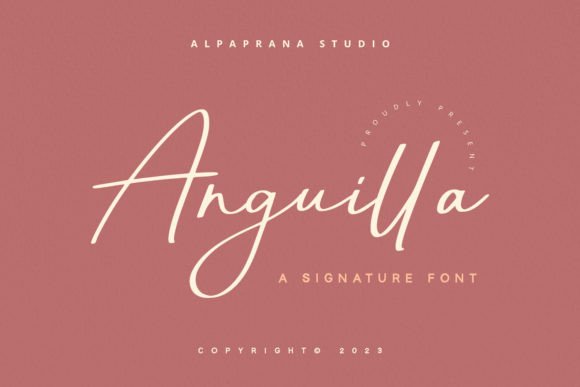
The visual characteristics of Anguilla are clean yet expressive. Its flowing strokes and subtle variations give it a handwritten feel without sacrificing legibility. This makes it particularly effective for headings, logos, and short phrases where a personal touch can enhance the overall tone of a website. The font’s balance between organic movement and structured form ensures it works well in both digital and print environments.
Using Anguilla in Web Design
Anguilla excels in areas where visual hierarchy and brand expression are key. For example, in hero sections, it can draw attention while maintaining a sense of sophistication. On landing pages, it adds a unique flair to call-to-action buttons, helping to guide user behavior without overwhelming the design. When used in headers or subheaders, it supports a strong visual rhythm that complements other design elements.
In online stores, Anguilla can be used for product titles, banners, or promotional text to create a more engaging shopping experience. For creative portfolios, it helps establish a cohesive style that reflects the designer’s personality. On coaching websites or course sales pages, it reinforces a professional yet approachable brand voice.
Readability and User Experience
While Anguilla is a decorative display font, its readability at smaller sizes and on mobile screens is impressive. It maintains clarity even when used in short phrases or on dark backgrounds, which is essential for responsive layouts. When paired with a simple sans serif or serif font, it creates a balanced contrast that enhances readability without sacrificing style.
For small buttons or navigation menus, using Anguilla in a lighter weight can add visual interest without compromising usability. On image overlays, it stands out effectively against busy backgrounds, making it a great choice for social media graphics or digital ads. Its versatility allows it to work in multiple contexts while maintaining a consistent brand identity.
Font Pairing and Brand Identity
Pairing Anguilla with a complementary font can elevate the overall design. A common approach is to use it as a display font alongside a clean sans serif for body copy. This combination provides contrast and clarity, ensuring the message remains easy to read while the headline captures attention. For editorial designs, pairing it with a serif font can add a classic, refined look that suits blogs or content-heavy sites.
When building a brand kit, Anguilla can serve as the primary font for logos, headers, and key messaging. Its flexibility allows it to be used across different platforms, from website headers to packaging design. This consistency helps reinforce brand recognition and builds trust with users who encounter the same visual language across multiple touchpoints.
Practical Tips for Using Anguilla
When incorporating Anguilla into a project, consider the context and purpose of each element. It works best for headlines, logos, and short phrases rather than long blocks of text. For web design, ensure that the font is available in webfont formats such as WOFF or WOFF2 to support fast loading and cross-browser compatibility.
Check the font’s weights and alternates to find the right variation for your design. Some fonts include ligatures or stylistic alternatives that can add subtle uniqueness to your layout. Also, verify multilingual support if your audience speaks languages beyond English, as this ensures the font remains functional and aesthetically pleasing in all regions.
Commercial Licensing and Usage
When using Anguilla for client projects, online stores, or digital templates, make sure you have the appropriate commercial license. This ensures compliance with font usage terms and avoids potential legal issues. For SaaS founders or bloggers, having a reliable font like Anguilla in your design assets can streamline the process of creating visually appealing content without worrying about licensing restrictions.
Whether you're designing a landing page, a blog header, or a digital brand kit, Anguilla offers a stylish and functional solution that aligns with modern web design trends. Its blend of natural flow and contemporary structure makes it an excellent choice for designers looking to add character and professionalism to their digital projects.